

 Facebook
 X
X
 Pinterest
 Copy Link
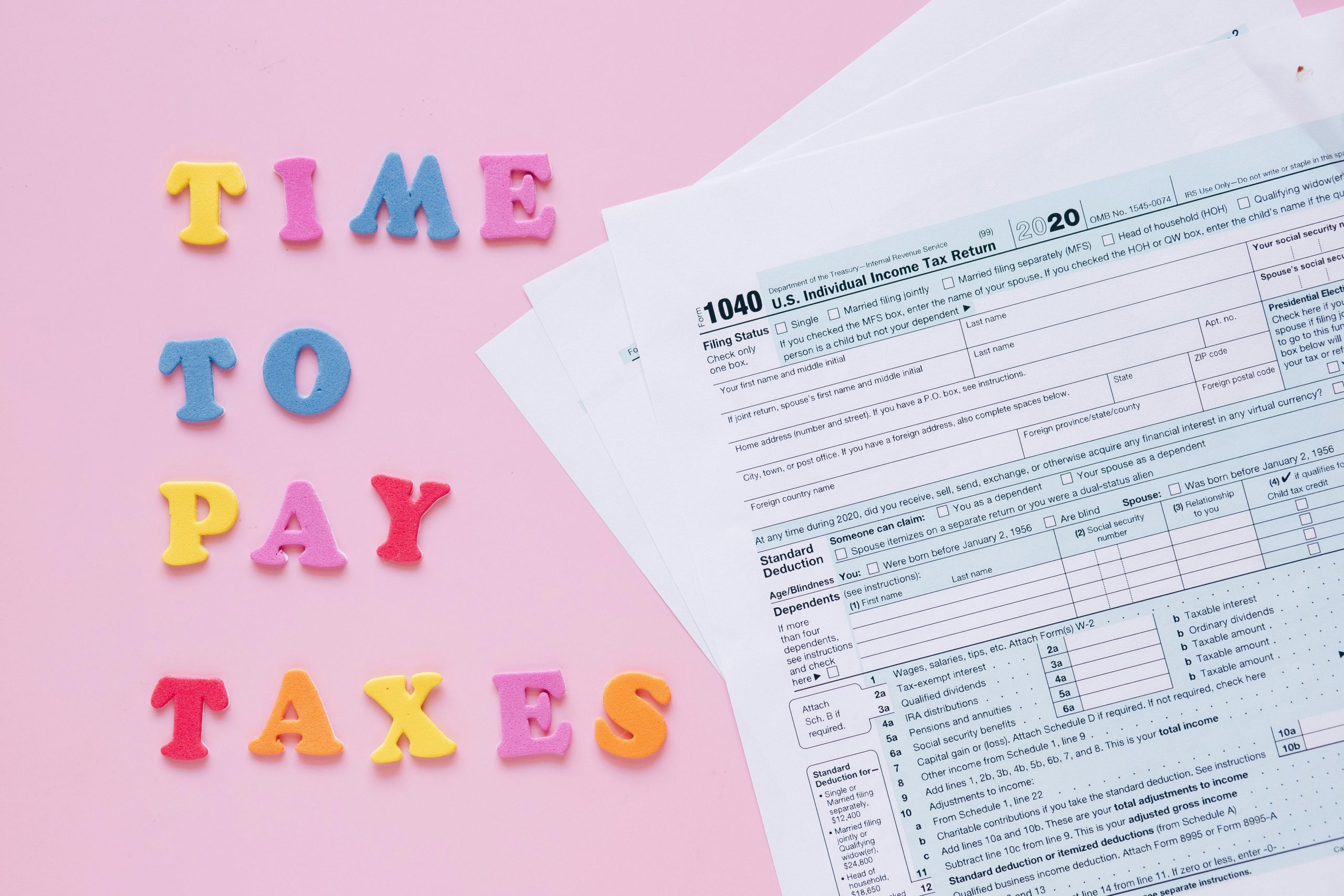
Property taxes are one of those things that almost every buyer I work with has questions about — and almost nobody fully understands until they are sitting at the closing table.
So let me explain Arizona property taxes clearly and completely. Because if you are buying a home in the East Valley, this is information you need before you make an offer.
The good news first. Arizona has some of the lowest property tax rates in the country.
The effective property tax rate in Maricopa County is approximately 0.46% to 0.65% depending on your specific location and taxing districts. The national median property tax rate is around 1.02%. That means Arizona homeowners pay roughly half what the average American homeowner pays in property taxes. The median annual property tax bill in Maricopa County is approximately $1,779 — compared to the national median of $2,400.
On a $500,000 home in the East Valley, you can typically expect an annual property tax bill somewhere between $2,300 and $3,500 depending on your specific city and school district. Compare that to California where property taxes on the same home might run $5,000-$8,000 per year, or New Jersey where they can exceed $10,000. Arizona is genuinely affordable from a tax standpoint.
Now let me explain how it actually works.
How Arizona Property Taxes Are Calculated
Arizona uses a unique two-value system that confuses a lot of buyers. Here is how it works step by step.
Step 1 — Full Cash Value
The Maricopa County Assessor’s Office determines the Full Cash Value of your property — essentially what your home would sell for in a competitive market. This is based on comparable sales, the cost approach for newer homes, and other appraisal methods.
Step 2 — Limited Property Value
Here is where Arizona gets interesting. Your actual tax bill is NOT based on the Full Cash Value. It is based on something called the Limited Property Value — or LPV.
In 2012, Arizona voters passed Proposition 117, which limits how much the LPV can increase from one year to the next. The LPV can go up by no more than 5% per year regardless of how much market values have risen.
This is enormously beneficial for homeowners. During the massive price appreciation of 2020-2022 when East Valley home values jumped 20-30% in a single year, property tax bills did not jump by the same amount. Your LPV could only increase by 5% maximum.
Step 3 — Assessed Value
For residential property in Arizona, the assessed value is 10% of the LPV. This is called the assessment ratio.
Example:
LPV of your home: $500,000
Assessed value: $500,000 x 10% = $50,000
Step 4 — Tax Rate
The assessed value is multiplied by the tax rate for your specific location. Tax rates are set by all the taxing districts that apply to your property and can include the county, city or town, school district, community college district, and special districts like fire or flood control.
Example:
Assessed value: $50,000
Tax rate (example for Mesa): approximately $3.78 per $100 of assessed value
Annual property tax: $50,000 x 3.78% = $1,890
The actual rate varies by city and school district. If you want the exact rate for a specific property, I can pull it for you.
Where Your Property Tax Dollars Go
When you pay property taxes in Arizona your money funds essential local services.
School districts receive the largest share — approximately 55% of your total property tax bill goes toward local education funding. County services including law enforcement, public health, and infrastructure receive a significant portion. City or town services including local government operations. Special districts covering services like flood control or fire protection in certain areas.
When Are Property Taxes Due in Arizona
Arizona property taxes are billed annually but paid in two installments.
First installment: Due October 1 — delinquent after November 1
Second installment: Due March 1 — delinquent after May 1
If your home has a mortgage, your lender almost certainly collects property tax payments through your monthly escrow account and pays the bill on your behalf. You will see this as a line item on your mortgage statement. If you own your home free and clear, you are responsible for paying the tax bill directly.
What Happens When You Buy a Home
When you purchase a home in Arizona there are a few important things to understand about property taxes.
Reassessment
When your home is sold the county assessor may reassess the property which can affect your tax bill going forward. This is different from states like California where Proposition 13 limits reassessment to the purchase price plus 2% per year. In Arizona the LPV cap of 5% applies but there is no lock-in at purchase price.
In practical terms this means if you buy a home that has been owned for many years and the LPV has grown slowly, your first tax notice after purchase may reflect a higher assessed value as the assessor updates the value closer to current market conditions. New construction homes in particular often see an increase in their tax bill after the first full year of ownership.
Proration at Closing
Property taxes are prorated at closing. In Arizona taxes are paid in arrears which means you pay for the prior year’s taxes. Your closing statement will show a credit or debit for the days of the year the seller owned the home versus the days you will own it. Your title officer will calculate this precisely.
Appealing Your Property Tax Assessment
If you believe your assessed value is too high you have the right to appeal.
After you receive your Notice of Value from the Maricopa County Assessor — typically arriving in late winter or early spring — you have 60 days from the notice date to file an appeal.
To build a successful appeal you will want to gather comparable sales showing your home is worth less than the assessed value, documentation of any condition issues that affect value, and sometimes a professional appraisal.
Research consistently shows that a meaningful percentage of Arizona homes may be over-assessed — making it worthwhile to review your notice carefully each year.
Exemptions and Relief Programs
Arizona offers several programs that can reduce your property tax burden.
Widows and Widowers Exemption: Qualifying widows and widowers may receive a reduction in assessed value.
Disabled Persons Exemption: Qualifying disabled residents may receive a reduction in assessed value.
Veterans with Service-Connected Disabilities: Qualifying veterans may receive significant reductions including potential full exemptions in some cases.
Senior Property Valuation Protection Program: Qualifying seniors may be able to freeze their assessed value preventing increases. To qualify you must be 65 or older, meet income limits, and have owned and lived in the property for at least two years. This is a significant benefit for fixed-income seniors.
Contact the Maricopa County Assessor’s Office to learn about current eligibility requirements for any of these programs.
East Valley Property Tax Comparison
Property taxes vary by city in the East Valley because each city has its own tax rate in addition to county-wide rates. Here is a general sense of how they compare. These are estimates — your specific property address determines the exact rate.
Gilbert: Slightly lower than some neighboring cities — strong school district funding model
Chandler: Comparable to Gilbert — Chandler Unified School District tax rate is one factor
Mesa: Slightly higher in some areas — largest city with extensive infrastructure
Queen Creek: Variable depending on whether your property is in Maricopa or Pinal County
Apache Junction: Located in Pinal County which has its own rate structure — often lower than Maricopa County
San Tan Valley: Pinal County rates apply — generally lower than Maricopa County
Property Taxes and Your Monthly Budget
As a buyer, here is how to factor property taxes into your budget accurately.
If you are financing: Your lender will include estimated annual property taxes in your escrow analysis. Divide the expected annual tax bill by 12 and add that to your monthly payment.
On a $500,000 home at an effective rate of 0.55%:
Annual property tax: approximately $2,750
Monthly escrow contribution: approximately $229
This is significantly less than most buyers moving from California, New York, or other high-tax states expect. It is one of the real financial advantages of owning in Arizona.
Questions About Property Taxes on a Specific Home?
I can pull the current assessed value, tax history, and estimated annual bill for any property you are considering. This is part of what I do for every buyer I work with — making sure you understand the true cost of ownership before you ever make an offer.
Heather Seegmiller
Licensed Arizona Realtor
Better Homes and Gardens Real Estate S.J. Fowler
(480) 316-2667 | heather.az.properties@gmail.com | heatherarizonarealtor.com
License SA715388000 AZ


